Green Frog: The Jumping Wild Animal Font for Bold Branding
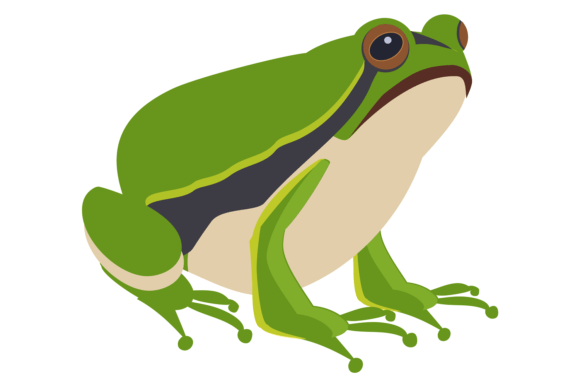
There’s a certain energy that captures attention immediately. It’s the feeling of a leap, a sudden movement, or a playful surprise. In the world of typography, finding a typeface that embodies this kind of dynamic spirit without sacrificing clarity is a rare win. This is precisely the space where Green Frog. Jumping Wild Animal. Toad to establishes itself. It’s not just a collection of letters; it’s a design asset built to inject personality and motion into your projects. Think of it as the typographic equivalent of that perfect, energetic mascot—it’s friendly, memorable, and full of life.
At its core, this is a creative font that leans into a bold, slightly irregular aesthetic. The characters have a handcrafted feel, with strokes that vary in weight and terminals that don’t always conform to a strict geometric grid. This isn’t a sterile, corporate sans serif font. Instead, it’s a display font with a distinct personality. The overall style suggests something organic and approachable, much like the amphibian it references. It avoids being overly childish by maintaining a level of sophistication in its construction—the letterforms are balanced and designed to work together as a cohesive typeface. This balance is its key appeal: it’s whimsical enough to be engaging but structured enough to be taken seriously in the right context.
Where This Font Truly Comes Alive
Understanding a font’s personality is one thing; knowing where to deploy it is where strategy meets execution. Green Frog. Jumping Wild Animal. Toad to isn’t your go-to for body copy in a legal document, but it excels in scenarios where you need to make an immediate visual impact. Its strength lies in short, high-impact text—think headlines, logos, and call-to-action buttons.
For logo design, particularly for brands in the outdoor, adventure, children’s education, eco-friendly, or food and beverage sectors, this font can be a cornerstone. Imagine a local farm-to-table restaurant using it for their wordmark, or an outdoor gear company leveraging its energy for a product launch campaign. In packaging design, it can make a product jump off the shelf, especially for items targeting a younger demographic or those with a playful brand ethos. The font’s inherent fun factor makes it ideal for toy branding, snack foods, or artisanal goods with a quirky personality.
Digital applications are where its energy translates exceptionally well. As a headline font on a website, it can set a vibrant tone from the first scroll. For social media graphics, it’s a powerhouse. A bold quote graphic, a YouTube thumbnail, or an Instagram story promotion using this font will stop the scroll because it breaks the monotony of the countless minimalist sans serif font posts. It’s a tool for creating thumb-stopping content. In the realm of editorial design, think magazine covers, feature article pull quotes, or chapter headings in a book about wildlife or adventure. It provides a strong visual hierarchy, guiding the reader’s eye exactly where you want it.
The Strategic Impact on Your Brand and Audience
Choosing a font is a brand strategy decision. Green Frog. Jumping Wild Animal. Toad to influences perception in specific ways. It communicates approachability, creativity, and a sense of fun. This can be a significant advantage for brands that want to feel human and relatable rather than distant and corporate. Using this typeface consistently across your brand identity—on your website headers, business cards, and promotional materials—builds recognition through a unique visual signature.
However, the power of this font comes with a responsibility for context. Its strength in visual impact means it can dominate a layout. Pairing it wisely is crucial. A classic approach is to combine it with a clean, neutral sans serif font or even a simple serif font for body text. This creates a clear contrast: the display font does the heavy lifting for personality, while the supporting font ensures readability for longer passages. Avoid pairing it with another highly decorative or handwritten font, as this can lead to visual chaos and undermine professionalism.
A Practical Guide to Implementation
So, you’re considering this premium font for a project. How do you make the right call? First, test it with your specific content. Type out your brand name, a key headline, and a tagline. Does the letter spacing (kerning) feel balanced? Are any letter combinations awkward? Good fonts are designed with meticulous attention to these details.
Next, evaluate the project’s tone. Is your audience and subject matter aligned with a playful, energetic aesthetic? If you’re designing for a law firm or a financial institution, this likely isn’t the right tool. But for a fitness app, a community event poster, or a creative portfolio, it could be perfect. Always consider the included styles. Does the font family come with bold, italic, or condensed versions? These variations are invaluable for creating a versatile and robust typographic system.
Finally, never overlook licensing. If your project is commercial—whether it’s a client logo, a product you’re selling, or a monetized blog—ensure you have the appropriate license. Using a font without a proper commercial license is a legal and ethical risk. The value of a commercial font like this includes not just the files, but the legal right to use it to build your business or your client’s brand.
In the end, Green Frog. Jumping Wild Animal. Toad to is more than a file of glyphs. It’s a design asset with a distinct point of view. Used thoughtfully, it can elevate a project from mundane to memorable, injecting a dose of wild energy that resonates with audiences looking for authenticity and personality. It’s a reminder that in design, sometimes the most effective move is to leap.
Green Frog: The Jumping Wild Animal Font for Bold Branding
There’s a certain energy that captures attention immediately. It’s the feeling of a leap, a sudden movement, or a playful surprise. In the world of typography, finding a typeface that embodies this kind of dynamic spirit without sacrificing clarity is a rare win. This is precisely the space where Green Frog. Jumping Wild Animal. Toad to establishes itself. It’s not just a collection of letters; it’s a design asset built to inject personality and motion into your projects. Think of it as the typographic equivalent of that perfect, energetic mascot—it’s friendly, memorable, and full of life.
At its core, this is a creative font that leans into a bold, slightly irregular aesthetic. The characters have a handcrafted feel, with strokes that vary in weight and terminals that don’t always conform to a strict geometric grid. This isn’t a sterile, corporate sans serif font. Instead, it’s a display font with a distinct personality. The overall style suggests something organic and approachable, much like the amphibian it references. It avoids being overly childish by maintaining a level of sophistication in its construction—the letterforms are balanced and designed to work together as a cohesive typeface. This balance is its key appeal: it’s whimsical enough to be engaging but structured enough to be taken seriously in the right context.
Where This Font Truly Comes Alive
Understanding a font’s personality is one thing; knowing where to deploy it is where strategy meets execution. Green Frog. Jumping Wild Animal. Toad to isn’t your go-to for body copy in a legal document, but it excels in scenarios where you need to make an immediate visual impact. Its strength lies in short, high-impact text—think headlines, logos, and call-to-action buttons.
For logo design, particularly for brands in the outdoor, adventure, children’s education, eco-friendly, or food and beverage sectors, this font can be a cornerstone. Imagine a local farm-to-table restaurant using it for their wordmark, or an outdoor gear company leveraging its energy for a product launch campaign. In packaging design, it can make a product jump off the shelf, especially for items targeting a younger demographic or those with a playful brand ethos. The font’s inherent fun factor makes it ideal for toy branding, snack foods, or artisanal goods with a quirky personality.
Digital applications are where its energy translates exceptionally well. As a headline font on a website, it can set a vibrant tone from the first scroll. For social media graphics, it’s a powerhouse. A bold quote graphic, a YouTube thumbnail, or an Instagram story promotion using this font will stop the scroll because it breaks the monotony of the countless minimalist sans serif font posts. It’s a tool for creating thumb-stopping content. In the realm of editorial design, think magazine covers, feature article pull quotes, or chapter headings in a book about wildlife or adventure. It provides a strong visual hierarchy, guiding the reader’s eye exactly where you want it.
The Strategic Impact on Your Brand and Audience
Choosing a font is a brand strategy decision. Green Frog. Jumping Wild Animal. Toad to influences perception in specific ways. It communicates approachability, creativity, and a sense of fun. This can be a significant advantage for brands that want to feel human and relatable rather than distant and corporate. Using this typeface consistently across your brand identity—on your website headers, business cards, and promotional materials—builds recognition through a unique visual signature.
However, the power of this font comes with a responsibility for context. Its strength in visual impact means it can dominate a layout. Pairing it wisely is crucial. A classic approach is to combine it with a clean, neutral sans serif font or even a simple serif font for body text. This creates a clear contrast: the display font does the heavy lifting for personality, while the supporting font ensures readability for longer passages. Avoid pairing it with another highly decorative or handwritten font, as this can lead to visual chaos and undermine professionalism.
A Practical Guide to Implementation
So, you’re considering this premium font for a project. How do you make the right call? First, test it with your specific content. Type out your brand name, a key headline, and a tagline. Does the letter spacing (kerning) feel balanced? Are any letter combinations awkward? Good fonts are designed with meticulous attention to these details.
Next, evaluate the project’s tone. Is your audience and subject matter aligned with a playful, energetic aesthetic? If you’re designing for a law firm or a financial institution, this likely isn’t the right tool. But for a fitness app, a community event poster, or a creative portfolio, it could be perfect. Always consider the included styles. Does the font family come with bold, italic, or condensed versions? These variations are invaluable for creating a versatile and robust typographic system.
Finally, never overlook licensing. If your project is commercial—whether it’s a client logo, a product you’re selling, or a monetized blog—ensure you have the appropriate license. Using a font without a proper commercial license is a legal and ethical risk. The value of a commercial font like this includes not just the files, but the legal right to use it to build your business or your client’s brand.
In the end, Green Frog. Jumping Wild Animal. Toad to is more than a file of glyphs. It’s a design asset with a distinct point of view. Used thoughtfully, it can elevate a project from mundane to memorable, injecting a dose of wild energy that resonates with audiences looking for authenticity and personality. It’s a reminder that in design, sometimes the most effective move is to leap.