Graphic Animal Art: The Wild, Editable Design Asset for Modern Creators
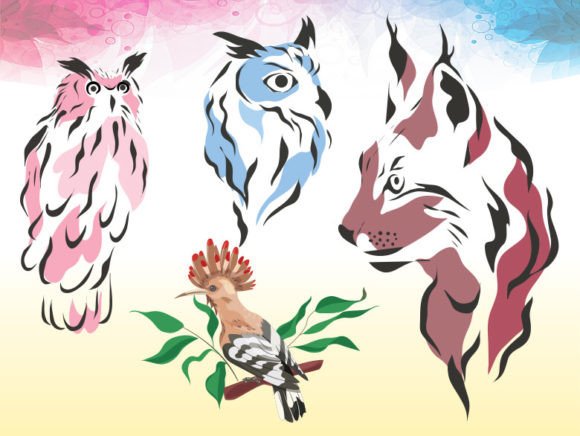
There's a certain energy that only the animal kingdom can bring to design. It’s primal, expressive, and universally understood. We’re not talking about simple silhouettes or generic stock imagery. We’re talking about a specific style gaining serious traction: Graphic Animal Art. This isn't just a collection of pictures; it's a visual language built on bold lines, stylized forms, and a raw, contemporary aesthetic. Think less nature documentary and more urban wildlife mural. The appeal lies in its versatility—it can be fierce, whimsical, majestic, or playful, often all within the same design framework. For creators, it offers a shortcut to injecting personality and a powerful visual hook into any project.
The Anatomy of a Modern Animal Graphic
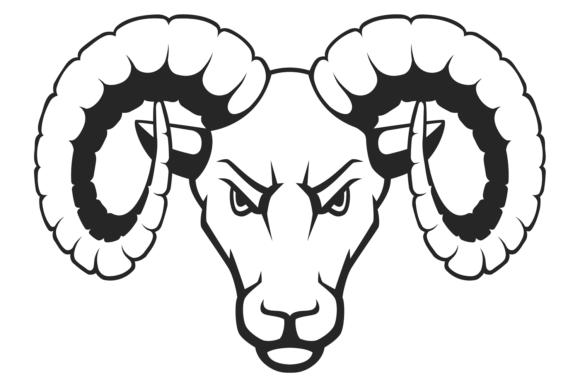
So, what defines this style? It moves away from photorealism. Instead, it embraces simplification, exaggeration, and graphic impact. You'll see strong, confident outlines that define the subject's form, often using a single weight or a dramatic variation. Color palettes are typically curated for effect—maybe a limited, punchy palette for a retro feel, or a sophisticated monochrome scheme for luxury branding. Textures are often applied digitally, mimicking screen printing, halftone dots, or paint strokes to add grit and authenticity. The personality is key: a wolf isn't just a wolf; it's a symbol of resilience rendered in sharp geometric shapes. A hummingbird isn't just a bird; it's a blur of kinetic energy captured in flowing, almost typographic lines. This style connects because it feels both familiar and fresh, tapping into our innate connection to wildlife while speaking the visual dialect of modern typography and graphic design.
This approach makes the artwork incredibly adaptable. It strips away unnecessary detail, leaving only the essential, recognizable form. This is why it translates so well across different mediums and sizes, from a tiny sticker to a large wall art print. The core form remains powerful and legible, a principle any designer working with display font design will appreciate.
From Concept to Commerce: Where This Style Roams Free
The true strength of Graphic Animal Art is its chameleon-like ability to fit into nearly any creative or commercial context. It’s a workhorse design asset. Let’s break down its natural habitats:
Branding and Identity: For brands that want to project strength, agility, or a connection to nature without looking cliché, this is gold. A stylized eagle can become the cornerstone of a logo design for an outdoor gear company. A series of abstracted animal icons can form a unique brand identity system for a craft brewery or an organic skincare line. The art style itself communicates a message—whether it's the precision of a cheetah for a tech startup or the wisdom of an owl for an educational platform.
Product and Packaging Design: This is where the "super editable files" aspect becomes critical. Imagine applying a roaring bear graphic to a line of coffee packaging. Now, with editable layers, you can easily change the bear's color to match a new roast, adjust the background texture, or scale it perfectly for a mug, a T-shirt, or a book cover. The style works brilliantly for labels on craft goods, album artwork for indie bands, or merchandise for zoos and wildlife organizations. It’s built for print-on-demand and physical product applications.
Digital and Editorial Use: On screen, this art pops. It’s perfect for hero images on websites, engaging social media graphics, and bold editorial design elements in magazines or blogs. A series of animal graphics can create a cohesive visual theme for a content series about adventure, ecology, or even business strategy (using animal metaphors). Because the style is high-contrast and graphic, it maintains its impact on screens of all resolutions, a crucial consideration for any web design project.
Making It Your Own: The Power of Editable Files
Here’s the practical game-changer. Premium Graphic Animal Art packages often come as fully editable vector files or layered PSDs. This is what separates a good asset from a great one. You’re not just buying a static image; you’re buying a flexible toolkit.
What does "super editable" mean in practice? It means you have control. You can:
- Change Colors Instantly: Match the art to your client's brand palette or your product line's color scheme in seconds.
- Modify Elements: Remove a background, isolate a single animal from a scene, or combine elements from different files to create a new composition.
- Adjust Scale and Detail: Scale a complex illustration up for a poster without losing quality, or simplify it further for a small favicon or app icon.
- Apply Different Effects: Add your own textures, gradients, or effects to make the artwork uniquely yours.
This level of control is essential for maintaining a professional workflow. It ensures the artwork integrates seamlessly into your larger project, rather than looking like a pasted-on afterthought. It allows for true consistency across all your marketing materials, from a website banner to a printed flyer.
Choosing and Implementing Your Animal Graphics
When selecting a Graphic Animal Art pack, think beyond just the subject. Consider the style's consistency. Does the artist or studio have a unified visual language across different animals? This is vital for creating a cohesive collection if you're building a product line.
Evaluate the file formats. For maximum flexibility, look for vector formats (AI, EPS, SVG) which are infinitely scalable, along with high-resolution raster files (PSD, PNG) for specific applications. Check the commercial font and asset licensing. Most premium assets come with clear licenses allowing for use in commercial projects, products for sale, and client work, but it's always your responsibility to read and understand the terms.
Test how the graphics interact with your typography. A bold, geometric animal graphic pairs well with a clean sans serif font for a modern, technical feel. It might also contrast beautifully with an elegant script font for a wedding invitation or luxury brand. The animal art acts as a visual anchor, and your type choices build the rest of the story around it. Think of it as a font pairing exercise, but with imagery.
Ultimately, Graphic Animal Art is more than a trend. It’s a versatile, expressive style that bridges the natural world and contemporary design. For the designer, entrepreneur, or creator, it offers a powerful way to capture attention, convey meaning, and build memorable visual projects. Its editable nature makes it a practical, long-term investment in your creative toolkit, ready to be adapted for the next T-shirt, the next book cover, or the next viral social post. It’s about taking something timeless and making it work for today’s visual conversation.