Elephant Trunk Animal Monogram Frame: A Designer’s Guide
When you are building a brand or launching a new product line, consistency is often the hardest hurdle to jump. You want your assets to look professional, but you also need them to be unique. This is where the Elephant Trunk Animal Monogram Frame enters the conversation. It is not just another piece of clip art; it is a versatile design asset that bridges the gap between playful illustration and professional branding. If you are looking to add a touch of whimsy and elegance to your projects, understanding how to utilize this specific illustration is key to elevating your creative output.
Visual Characteristics and Artistic Appeal
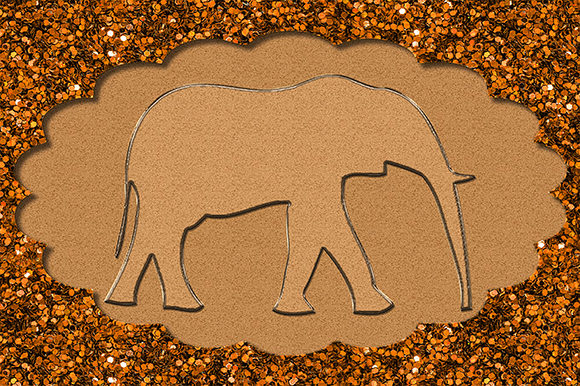
At its core, the design features a stylized elephant, often utilizing its trunk to create a circular or oval frame. This specific composition offers a natural "negative space" in the center, which is ideal for typography, initials, or focal imagery. The visual personality of this frame is one of gentle strength. Elephants are universally recognized symbols of wisdom, loyalty, and memory, making this design particularly effective for brands that want to convey trust and heritage.
The style of the illustration usually leans toward a blend of modern illustration and timeless animal portraiture. It avoids the harsh edges of abstract geometry, offering instead a softer, organic flow. This makes it an excellent choice for projects where you want to humanize your brand. Whether the linework is intricate or simplified, the Elephant Trunk Animal Monogram Frame provides a distinct silhouette that stands out in a crowded marketplace. It works beautifully as a standalone graphic or as a container for more complex design elements.
Practical Applications: From Digital to Physical
One of the greatest strengths of this design asset is its adaptability across different mediums. In the realm of packaging design, this illustration shines. Imagine this frame on a set of jar labels for homemade preserves or on candy wrappers for a baby shower. The elephant motif is universally loved, making it a safe yet creative choice for a wide demographic. It brings a cohesive look to your product line without requiring a complete overhaul of your existing brand identity.
For those in the publishing and stationery sectors, the applications are nearly endless. Consider the following uses for this versatile frame:
- Scrapbooking and Albums: It serves as a perfect focal point for photo book covers or custom scrapbook layouts, adding a decorative border to cherished memories.
- Invitations and Cards: Use it for greeting cards, note cards, or wedding invitations where a touch of nature-inspired elegance is required.
- Wearable Art: The design translates exceptionally well to T-shirts and stretch garments. Because the illustration acts as a frame, you can easily customize it with text for family reunion shirts or boutique apparel lines.
- Digital Presence: Do not overlook social media graphics. A monogram frame is perfect for profile pictures, highlight covers, or watermarks on your photography. It ensures your digital presence looks curated and professional.
Furthermore, the inclusion of high-quality JPEG files ensures that the design is ready for print-on-demand services and sublimation printing. The lack of watermarks in the final download means you can integrate it immediately into your workflow without the extra step of cleaning up the file. This is a significant time-saver for busy content creators and small business owners.
Strategic Design: Pairing and Integration
While the Elephant Trunk Animal Monogram Frame is a strong visual statement, it needs the right typographic support to truly sing. Because the frame is illustrative, it pairs best with cleaner typefaces. If you place a complex script font or a heavy serif font inside the frame, the design can become cluttered and difficult to read. Instead, look for a balanced sans serif font or a simple, legible serif for the initials or text you plan to center within the trunk.
Think about visual hierarchy. The elephant frame is the "hero" element; your typography should support it, not fight it. If you are using this for logo design, ensure that the scale of the text relative to the frame allows for breathing room. A common mistake in editorial design or web design is filling every available pixel. Let the artwork breathe. The negative space inside the frame is there to draw the eye, so use it to highlight the most important information.
Color theory also plays a vital role. While the asset provided is likely a standard color or black and white, consider how you can adapt it to your palette. In modern typography and design, monochromatic schemes often look the most sophisticated. However, if you are targeting a younger audience for products like stickers or gift bags, don't be afraid to experiment with bold, contrasting colors to make the elephant pop.
Evaluating Fit and Commercial Use
Before finalizing your design, it is worth taking a moment to evaluate the project fit. While this illustration is incredibly versatile, context matters. For example, if you are designing for a high-tech financial firm, a playful elephant might send the wrong message. However, for a daycare, a pet brand, a family-oriented blog, or a "mompreneur" business, the fit is perfect. It conveys a sense of community and care.
When you download the asset, check the resolution of the JPEG. For print design, you need high DPI (dots per inch) to ensure the lines remain crisp on paper. For web design, you can afford a slightly lower resolution to ensure faster load times, though modern screens appreciate higher pixel density. Since this is a digital asset, ensure you are adhering to the licensing terms. Most standard licenses allow for commercial use on end products (like the T-shirts or invitations mentioned), but it is always best practice to verify you aren't reselling the raw digital file itself.
Ultimately, the Elephant Trunk Animal Monogram Frame is more than just a graphic; it is a tool for storytelling. It allows designers, marketers, and crafters to inject personality into their work quickly and effectively. By pairing it with the right fonts, respecting the negative space, and applying it to the right medium, you can create a cohesive and memorable visual experience for your audience.